Slide

Introducing PowerWire® Pro RF Guidewire

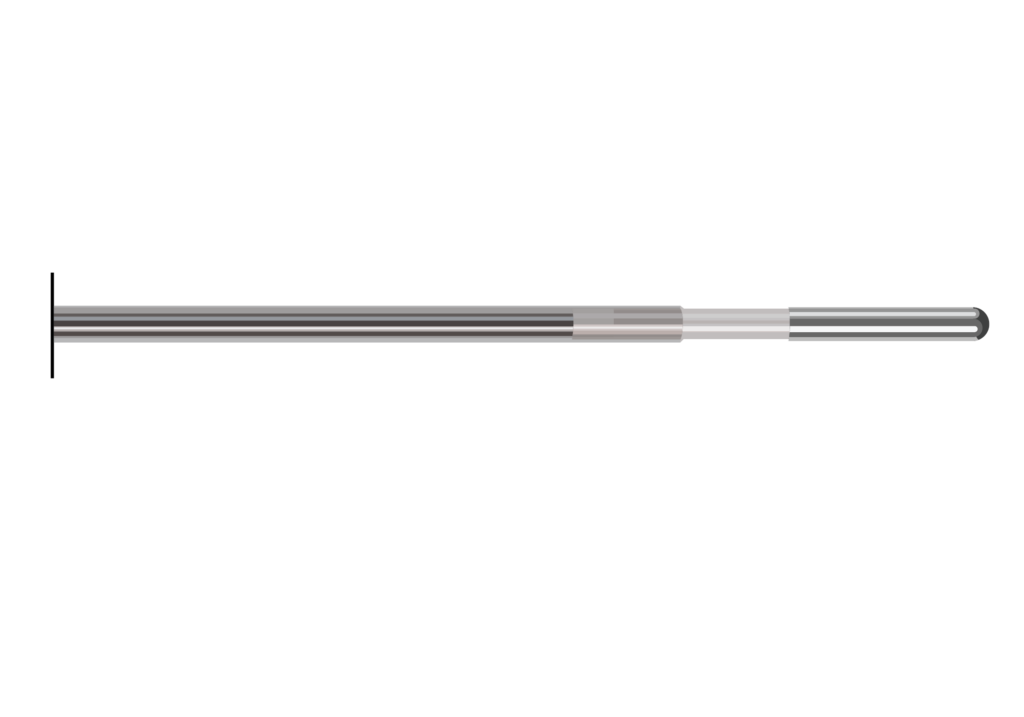
PowerWire 14

Designed to cross tough, fibrous occlusions​ in native and stented peripheral vessels

The PowerWire® 14 RF Guidewire is intended to create a channel in totally occluded peripheral vessels 3mm or greater, including vessels with stents.

arrow down
Slide

Introducing PowerWire® Pro RF Guidewire

PowerWire 14

Designed to cross tough, fibrous occlusions​ in native and stented peripheral vessels

The PowerWire® 14 RF Guidewire is intended to create a channel in totally occluded peripheral vessels 3mm or greater, including vessels with stents.
arrow down

PowerWire® Family of RF Guidewires

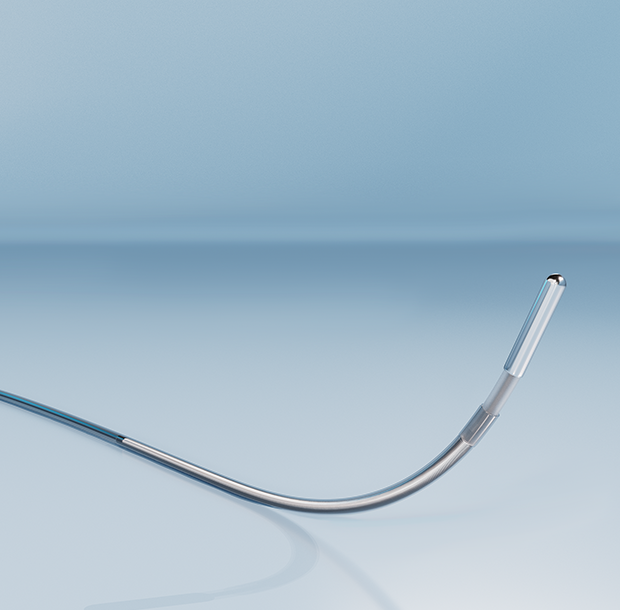
The PowerWire® 14 RF Guidewire offers the precision of a smaller profile while maintaining the RF-assisted crossing ability of the PowerWire® Pro RF Guidewire.

Outer Diameter
0.014"
0.035"
Length(s)
190 cm & 300 cm
250 cm
Tip Configurations
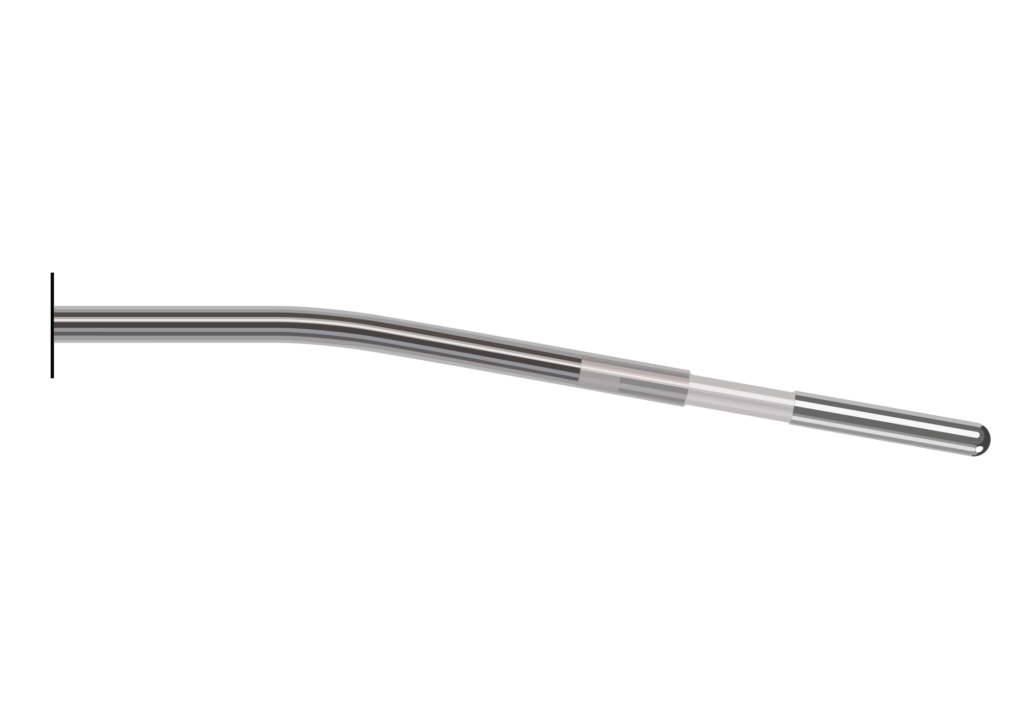
Straight
Angled (20°)
Straight
Angled (20°, 30°, 40°)
Tip Strength
Straight Tip – 40 g
Angled Tip – 40 g
Straight Tip – 75 g, 100 g
Angled Tip – 110 g
Catheter Compatibility
Minimum 0.014" guidewire-compatible catheters
Minimum 4F catheters

PowerWire® RF Guidewires must be used with an approved Baylis Radiofrequency Puncture Generator.

Outer Diameter
0.014"
0.035"
Length(s)
190 cm & 300 cm
250 cm
Tip Configurations
Straight
Angled (20°)
Straight
Angled (20°, 30°, 40°)
Tip Strength
Straight Tip – 40 g
Angled Tip – 40 g
Straight Tip – 75 g, 100 g
Angled Tip – 110 g
Catheter Compatibility
Minimum 0.014" guidewire-compatible catheters
Minimum 4F catheters

PowerWire® RF Guidewires must be used with an approved Baylis Radiofrequency Puncture Generator.

Ordering Information

Product Code Length Tip Shape
PW14-190-S
190 cm
Straight
PW14-300-S
300 cm
Straight
PW14-190-20A
190 cm
Angled 20°
PW14-300-20A
300 cm
Angled 20°

Safely cross occlusions using RF Puncture Technology

RF Puncture Technology

Creates a small opening in tissue with minimal damage to surrounding area
High impedance High voltage Short RF delivery time
Low power Small active tip

How does RF puncture differ from RF ablation?

Resource Library

Browse content specific to this product, such as brochures, publications, white papers, IFUs, videos and other product information.

PowerWire® 14 Radiofrequency IFU
Steerable Sheath Ordering Guide Cover
PowerWire 14 Brochure
PowerWire® 14 Radiofrequency IFU
Steerable Sheath Ordering Guide Cover
PowerWire 14 Brochure
previous arrow
next arrow

Clinical Case Support

We provide product training, clinical support, and ongoing communication to interventionalists and their support teams to ensure optimal utilization of our technologies.

How can we help you today?

RF puncture creates a small opening in tissue with minimal surrounding tissue damage. RF Ablation creates a large lesion to destroy electrically conductive tissue. RF Ablation uses:
   Low impedance    Low voltage    Longer RF delivery time
   High power    Large active tip

Maximum Outer Diameter

Handles similar to standard 0.014″ workhorse wires. Minimum catheter compatibility: 0.014″ guidewire‑compatible microcatheters.

Lengths

Exchange length design to support the introduction of interventional devices.  Allows for use with third party 0.014″ compatible, over the wire devices.

Tip Strength

40 g tip strength designed to support interventional procedures.

Safe Crossing Technology

Contact with metal terminates RF energy, reducing the potential for vessel extravasation when crossing in-stent occlusions.

Tip Shapes

Straight

Angled 20°

Straight and pre-shaped tips for procedural versatility.

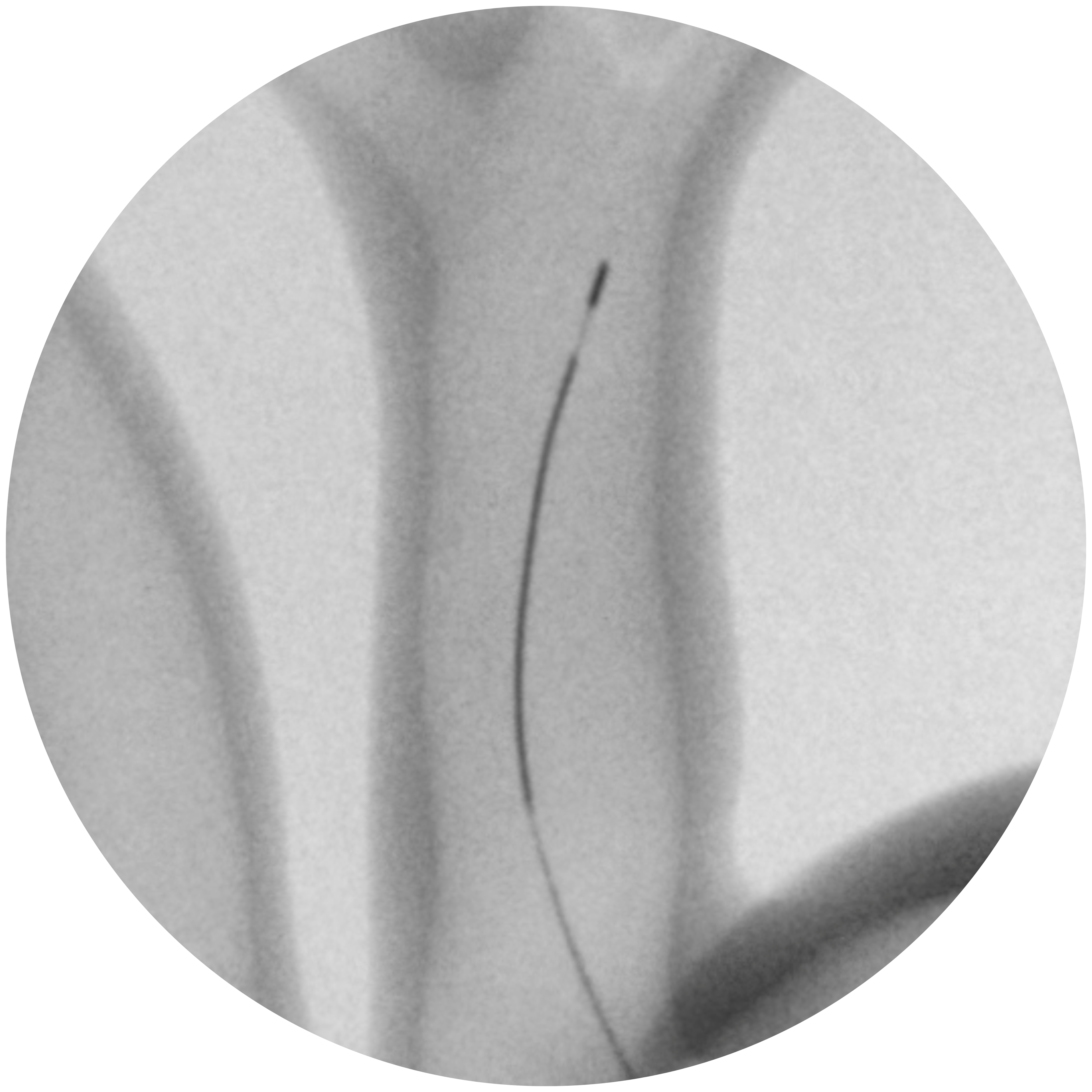
Visibility

Wire has a radiopaque tip with a proximal radiopaque coil for visibility under fluoroscopy. Radiopaque tip is readily visible in native and stented vessels under fluoroscopy.